


Karajan - Romantic Adagio (1996)
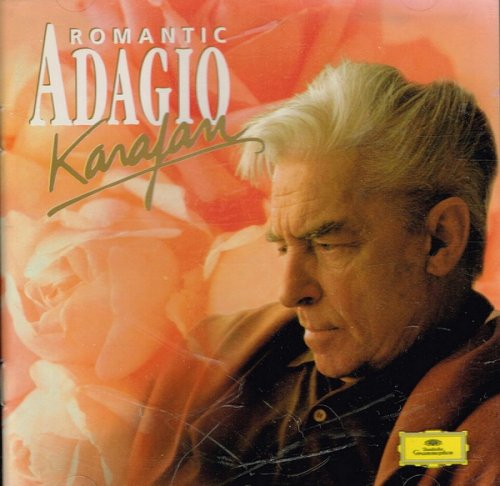
BAND/ARTIST: Berlin Philharmoniker, Karajan, Herbert von Karajan
- Title: Romantic Adagio
- Year Of Release: 1996
- Label: Deutsche Grammophon – G2-49900 / CD, Compilation
- Genre: Classical, Romantic
- Quality: FLAC (tracks+.cue,log artwork)
- Total Time: 1:06:55
- Total Size: 352 Mb
- WebSite: Album Preview
Tracklist:
01. Pietro Mascagni: Intermezzo sinfonico (00:03:36)
02. Jacques Offenbach: Barcarolle (00:03:37)
03. Peter Ilyich Tchaikovsky: Love Theme (00:03:34)
04. Frédéric Chopin: Nocturne (00:05:59)
05. Wolfgang Amadeus Mozart: Romance (00:05:37)
06. Bedřich Smetana: Vltava (The Moldau) (00:12:26)
07. Nikolai Rimsky-Korsakov: The Young Prince and the Young Princess (00:10:43)
08. Léo Delibes: Ballad (00:02:55)
09. Edvard Grieg: Sarabande (00:04:22)
10. Antonín Dvořák: Moderato (00:05:12)
11. Georges Bizet: Entr'acte III (00:02:46)
12. Richard Wagner: Isoldes Liebestod (00:07:21)
12. Richard Wagner: Isoldes Liebestod (7:21)
01. Pietro Mascagni: Intermezzo sinfonico (00:03:36)
02. Jacques Offenbach: Barcarolle (00:03:37)
03. Peter Ilyich Tchaikovsky: Love Theme (00:03:34)
04. Frédéric Chopin: Nocturne (00:05:59)
05. Wolfgang Amadeus Mozart: Romance (00:05:37)
06. Bedřich Smetana: Vltava (The Moldau) (00:12:26)
07. Nikolai Rimsky-Korsakov: The Young Prince and the Young Princess (00:10:43)
08. Léo Delibes: Ballad (00:02:55)
09. Edvard Grieg: Sarabande (00:04:22)
10. Antonín Dvořák: Moderato (00:05:12)
11. Georges Bizet: Entr'acte III (00:02:46)
12. Richard Wagner: Isoldes Liebestod (00:07:21)
12. Richard Wagner: Isoldes Liebestod (7:21)
The Karajan family was of Greek origin, having moved from the Ottoman Empire to Vienna and then to Chemnitz in the 18th century. For their contributions to the development of Saxony's textile industry, they were given a noble title, which gave them the right to use the prefix "von". At that time, their name changed from Karajanisz to Karajan.
Herbert von Karajan was born on April 5, 1908 in Salzburg. He began studying piano at the age of four. He was eight when his parents enrolled him in the Mozarteum in Salzburg. He completed his studies in 1929, when he received a degree in conducting from the Vienna Academy of Music. That same year, on January 22, he made his debut in Salzburg at the Festspielhaus with the Mozarteum Orchestra. He conducted Tchaikovsky's Symphony No. 5, Mozart's Piano Concerto in A major (K. 488) and Richard Strauss's symphonic poem Don Juan.
In 1929, he was appointed principal conductor of the Ulm City Theatre after his successful performance of Mozart's The Marriage of Figaro. He made his debut at the Salzburg Festival in 1933. In 1935, he conducted in Bucharest, Brussels, Stockholm, Amsterdam and Paris, after being appointed the youngest Generalmusikdirektor in Germany. In 1937, he made his debut with the Berlin Philharmonic with Beethoven's Fidelio. Between 1934 and 1941, he conducted successful opera performances and concerts at the Aachen Opera House. In 1938, at the age of thirty, he achieved true world success with Wagner's Tristan und Isolde at the Berlin Staatsoper. A Berlin critic called him "the Karajan miracle", highlighting his musical maturity in relation to this extremely demanding work by Wagner, elevating the young conductor to the level of Furtwängler and de Sabata. In the same year, he signed a contract with Deutsche Grammophon and made several recordings with the Berlin Staatskapelle, including the Overture of The Magic Flute. On July 26 of that year, he married the opera singer Elmy Holgerloef.
After the Nazis came to power, he joined the National Socialist Party. It has been debated ever since what prompted him to do so, perhaps he saw it as the only way to stay in the game. In any case, Adolf Hitler did not appreciate his performance as conductor in the Meistersinger in 1939, which Karajan conducted from memory, and he lost track, suddenly did not know where he was going, the singers "fell out", and the curtain was lowered in great confusion. Hitler decided that Karajan would never conduct the Bayreuth Festival. However, as Göring's favorite artist, he was allowed to remain at the head of the Staatskapelle, where he eventually conducted about 150 opera performances.
After his great idol, Arturo Toscanini, canceled his performances due to the Anschluss, he nevertheless conducted the Salzburg Festival, and after a concert on Hitler's 50th birthday, he was appointed state conductor. In 1942, at the height of World War II, he married Anna Maria Sauest, whose grandparents were Israelis. By 1944, Karajan had fallen from grace and fled to Italy with his wife.
His conducting career was completed after World War II, when he was pardoned for his collaboration with the Nazis. (He was acquitted, but his performances continued to provoke protests, especially in America.) In 1948, he conducted the Vienna Philharmonic for the first time (which he led from 1955 until 1989), and that year he began conducting opera at La Scala in Milan.
From 1956 to 1964, he was principal conductor of the Vienna State Opera, then general director of the Salzburg Festival, and principal conductor of the Scala in Milan and guest conductor of the New York Philharmonic. In 1969, he established the Herbert von Karajan Foundation. In 1985, he became the first conductor in the world to conduct a church service in the Vatican, and two years later, while struggling with his illness, he conducted the New Year's concert in Vienna.
The basis of his success was his perfect craftsmanship, fanatical love of work and the pursuit of perfection. His relentless artistic demands knew no bounds, neither with himself, nor with the orchestra, nor with the singers. All this provoked numerous frictions and minor and major conflicts - the series of successes was accompanied by scandals at the Scala, Salzburg, Vienna and at the helm of the Berlin Philharmonic. The latter orchestra remained the focus of his activities, but the series of disputes damaged the relationship between the musicians and Karajan, so he resigned from his position in Berlin in April 1989.
He was a suggestive individual with a great sense of form. As both an opera conductor and a concert conductor, he was one of the greatest of the 20th century. He was noted for the precision and objectivity of his interpretation, although towards the end of his life his style became increasingly personal. During the storms that raged around him, many criticized not his art but his character: his dictatorial instinct, which did not tolerate contradiction and only tolerated submission from others.
After a serious spinal operation, he stood on the podium bent and broken, and at his 1987 New Year's concert in Vienna, the orchestra sounded perhaps even more ethereal at the wave of his baton. He truly felt in Wagner's realm there
Herbert von Karajan was born on April 5, 1908 in Salzburg. He began studying piano at the age of four. He was eight when his parents enrolled him in the Mozarteum in Salzburg. He completed his studies in 1929, when he received a degree in conducting from the Vienna Academy of Music. That same year, on January 22, he made his debut in Salzburg at the Festspielhaus with the Mozarteum Orchestra. He conducted Tchaikovsky's Symphony No. 5, Mozart's Piano Concerto in A major (K. 488) and Richard Strauss's symphonic poem Don Juan.
In 1929, he was appointed principal conductor of the Ulm City Theatre after his successful performance of Mozart's The Marriage of Figaro. He made his debut at the Salzburg Festival in 1933. In 1935, he conducted in Bucharest, Brussels, Stockholm, Amsterdam and Paris, after being appointed the youngest Generalmusikdirektor in Germany. In 1937, he made his debut with the Berlin Philharmonic with Beethoven's Fidelio. Between 1934 and 1941, he conducted successful opera performances and concerts at the Aachen Opera House. In 1938, at the age of thirty, he achieved true world success with Wagner's Tristan und Isolde at the Berlin Staatsoper. A Berlin critic called him "the Karajan miracle", highlighting his musical maturity in relation to this extremely demanding work by Wagner, elevating the young conductor to the level of Furtwängler and de Sabata. In the same year, he signed a contract with Deutsche Grammophon and made several recordings with the Berlin Staatskapelle, including the Overture of The Magic Flute. On July 26 of that year, he married the opera singer Elmy Holgerloef.
After the Nazis came to power, he joined the National Socialist Party. It has been debated ever since what prompted him to do so, perhaps he saw it as the only way to stay in the game. In any case, Adolf Hitler did not appreciate his performance as conductor in the Meistersinger in 1939, which Karajan conducted from memory, and he lost track, suddenly did not know where he was going, the singers "fell out", and the curtain was lowered in great confusion. Hitler decided that Karajan would never conduct the Bayreuth Festival. However, as Göring's favorite artist, he was allowed to remain at the head of the Staatskapelle, where he eventually conducted about 150 opera performances.
After his great idol, Arturo Toscanini, canceled his performances due to the Anschluss, he nevertheless conducted the Salzburg Festival, and after a concert on Hitler's 50th birthday, he was appointed state conductor. In 1942, at the height of World War II, he married Anna Maria Sauest, whose grandparents were Israelis. By 1944, Karajan had fallen from grace and fled to Italy with his wife.
His conducting career was completed after World War II, when he was pardoned for his collaboration with the Nazis. (He was acquitted, but his performances continued to provoke protests, especially in America.) In 1948, he conducted the Vienna Philharmonic for the first time (which he led from 1955 until 1989), and that year he began conducting opera at La Scala in Milan.
From 1956 to 1964, he was principal conductor of the Vienna State Opera, then general director of the Salzburg Festival, and principal conductor of the Scala in Milan and guest conductor of the New York Philharmonic. In 1969, he established the Herbert von Karajan Foundation. In 1985, he became the first conductor in the world to conduct a church service in the Vatican, and two years later, while struggling with his illness, he conducted the New Year's concert in Vienna.
The basis of his success was his perfect craftsmanship, fanatical love of work and the pursuit of perfection. His relentless artistic demands knew no bounds, neither with himself, nor with the orchestra, nor with the singers. All this provoked numerous frictions and minor and major conflicts - the series of successes was accompanied by scandals at the Scala, Salzburg, Vienna and at the helm of the Berlin Philharmonic. The latter orchestra remained the focus of his activities, but the series of disputes damaged the relationship between the musicians and Karajan, so he resigned from his position in Berlin in April 1989.
He was a suggestive individual with a great sense of form. As both an opera conductor and a concert conductor, he was one of the greatest of the 20th century. He was noted for the precision and objectivity of his interpretation, although towards the end of his life his style became increasingly personal. During the storms that raged around him, many criticized not his art but his character: his dictatorial instinct, which did not tolerate contradiction and only tolerated submission from others.
After a serious spinal operation, he stood on the podium bent and broken, and at his 1987 New Year's concert in Vienna, the orchestra sounded perhaps even more ethereal at the wave of his baton. He truly felt in Wagner's realm there
Classical | FLAC / APE | CD-Rip
As a ISRA.CLOUD's PREMIUM member you will have the following benefits:
- Unlimited high speed downloads
- Download directly without waiting time
- Unlimited parallel downloads
- Support for download accelerators
- No advertising
- Resume broken downloads